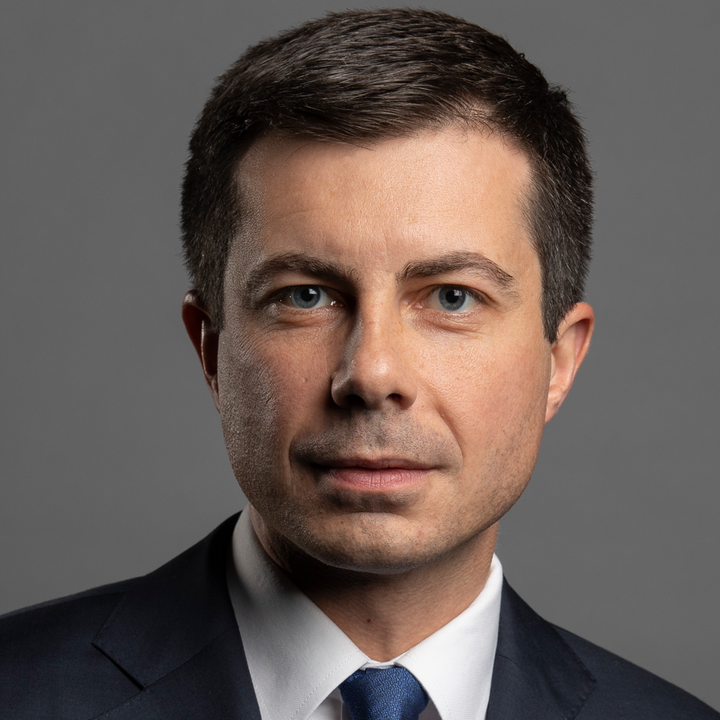
Former South Bend mayor Pete Buttigieg has just been picked as President-elect Joe Biden’s nominee for Secretary of Transportation.
The Biden-Harris Transition Team called Buttigieg “a barrier-breaking public servant from the industrial Midwest with a track record of trailblazing, forward-thinking executive leadership.”
Buttigieg is a graduate of Harvard College and Oxford University, attending the latter on a Rhodes Scholarship. He was a consultant at the management consulting firm McKinsey from 2007 to 2010. From 2009 to 2017, he was an intelligence officer in the U.S. Navy Reserve, attaining the rank of lieutenant. He was mobilized and deployed to Afghanistan for seven months in 2014.
Buttigieg ran as a candidate for president in the 2020 Democratic Party presidential primaries, but suspended his campaign in March 2020. As a candidate, Buttigieg released a $1 trillion infrastructure proposal called “Building for the 21st Century: An infrastructure plan to create jobs, increase resilience, and usher in a new era of opportunity.” Key highlights of the public transportation elements of the plan were:
- Rural transit programs (Section 5311) would receive a $12 billion increase. He projected that this funding would increase access to existing transit options, create new rural transit hubs and leverage new technologies like ride-sharing services.
- Funding for the Low/No Emissions Program would triple.
- Federally-funded transportation programs would go through a new review practice that would seek to determine how effectively it connects people to jobs and services or goods to market.
- There would be an investment of $160 billion in partnering with states, cities, towns and tribes to improve public transportation.
- The plan would add $165 billion into the Highway Trust Fund to ensure that it remains solvent through 2029. The US Department of Transportation would also propose a new and sustainable user fee-based system, such as a vehicle-miles-traveled fee, with privacy protections, that could potentially replace the gas tax. The proposed pilot program would include a sliding scale for those with a lower income.
- The plan provided $100 billion in grants and loans for cities and towns to bring existing transit systems to a State of Good Repair.
The transition team noted this experience will come into play for Buttigieg who, as Transportation Secretary, would be responsible for “implementing President-elect Biden’s Build Back Better agenda, including rebuilding modern, sustainable infrastructure nationwide, creating millions of good-paying union jobs and tackling the climate crisis by helping to deliver an equitable clean energy future.”
South Bend Public Transportation Corporation (Transpo) General Manager and CEO Amy Hill worked with Buttigieg during his tenure as mayor and served as a member of his transportation work group. She noted he was willing and eager to listen to the needs and concerns of the transit agency and called his approach to transportation and infrastructure innovative.
“His Smart Streets initiative and Complete Streets policies were designed to create safer, more efficient transportation. The new traffic patterns (going from one-way to two-way streets) in downtown South Bend now safely accommodate all modes of transportation and also had a tremendous economic impact on the city. He always took a collaborative approach and had the ability to bring agencies together,” said Hill.